
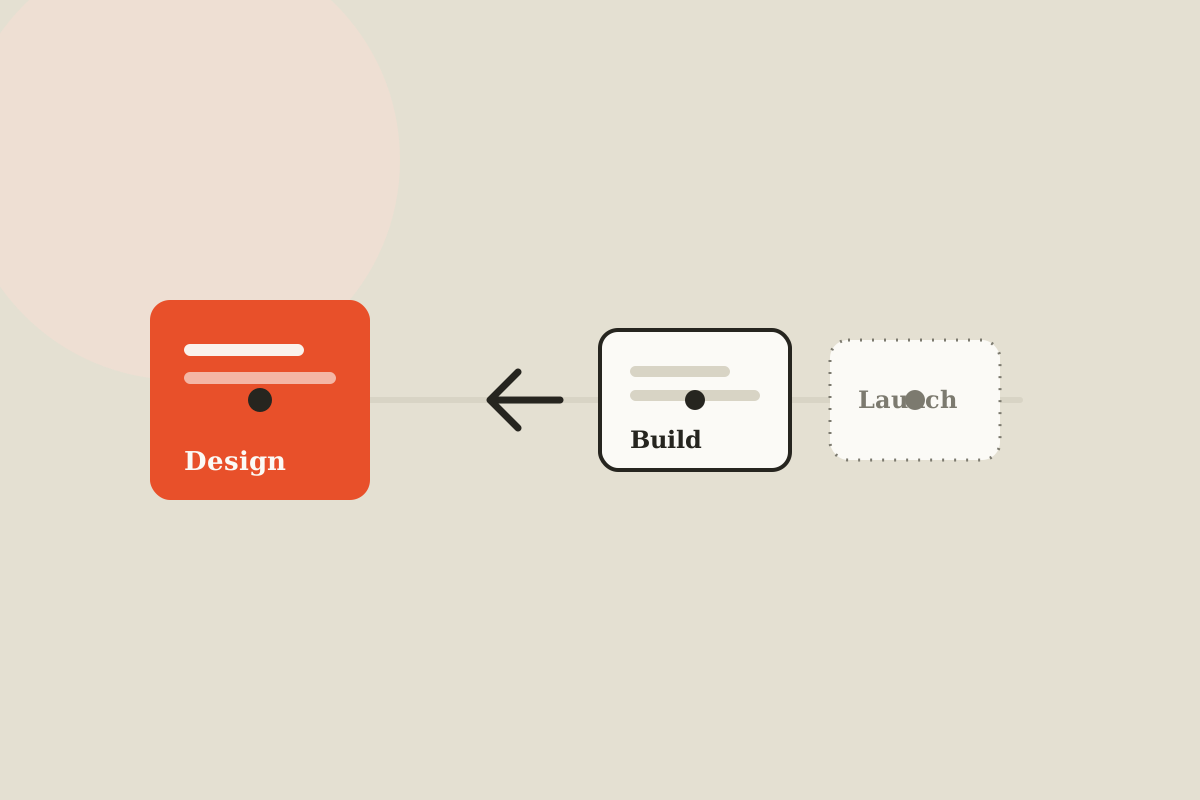
Most teams treat compliance the way they once treated QA: a gate at the end, owned by someone else, discovered late. The result is predictable, risk gets caught after build, reviews pile up, and the people who could have fixed it cheaply have already moved on.
Design-time is the leverage point
A PRD is a statement of intent. It says what data you'll collect, why, who you'll share it with, and how long you'll keep it. That's everything a compliance reviewer needs, and it exists weeks before any code does. Reviewing intent is faster, cheaper, and less adversarial than reviewing a shipped system.
What "shift left" looks like for compliance
It means a reviewer (human or assisted) reads the spec, flags the data touchpoints that trigger an obligation, and proposes a concrete fix, all while the feature is still cheap to change. The output isn't a 40-page audit; it's a handful of line-level notes a PM can act on the same day.
Compliance shouldn't be the thing that slows a good team down. It should move at product speed.
That's the whole thesis behind Silcrow: feature-level review, at design time, with a citation behind every call.
Back to all posts